
pediatric services
Early Intervention
Early communication skills lay the foundation for learning, relationships and confidence. Our pediatric speech and language services help children build the skills they need to understand, express themselves, connect with others, and navigate the world around them – While making progress feel fun, meaningful, and empowering
Communication Skills We Support
- Early communication & first words
- Understanding language – Following directions and understanding concepts
- Expressive language – Using words, phrases, and sentences to share ideas
- Vocabulary development
- Speech sound development & intelligibility
- Social communication - Conversation, turn - Taking, and play
- Gestalt language processing & functional communication
- AAC & alternative communication
- Fluency & stuttering
- Pragmatic language & social skills
- Auditory comprehension & listening skills
- Communication confidence
- Feeding and oral motor skills
Mealtimes should be a time to nourish, explore, and connect. Our feeding therapy supports children in developing comfortable, confident eating skills while addressing food exploration, picky eating, oral – Motor skills, and expanding food variety – All at a pace that feels safe and supportive

Every child deserves the ability to understand, express, and connect with confidence. Our pediatric language therapy helps children with language impairments strengthen comprehension, vocabulary, sentence development, and expressive language skills – Giving them the tools to communicate their thoughts, needs, and ideas with confidence
Clear communication starts with being understood. Our pediatric speech therapy helps children develop accurate speech sounds, improve intelligibility, and build confidence when speaking. Through individualized, engaging therapy, we make speech practice fun while helping children communicate more clearly with the people around them
Building a strong vocabulary gives children the words they need to understand, express, and explore their world. Our pediatric therapy helps children learn new words, expand their vocabulary, and use language more effectively to share their ideas, needs and experiences with confidence

Communication is more than words – It’s about connecting with others. Our pediatric social communication therapy helps children build skills for conversation, turn – Taking, understanding social cues, expressing emotions, and navigating interactions with greater confidence
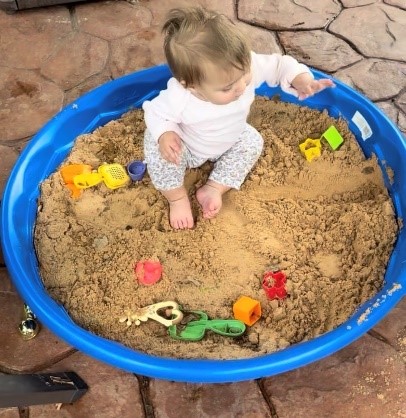
Every child has a unique way of learning to communicate. Our pediatric therapy supports gestalt language processors by honoring their natural communication style and helping them move from meaningful phrases and scripts toward flexible, spontaneous language. We celebrate every step as children find their own words and voice
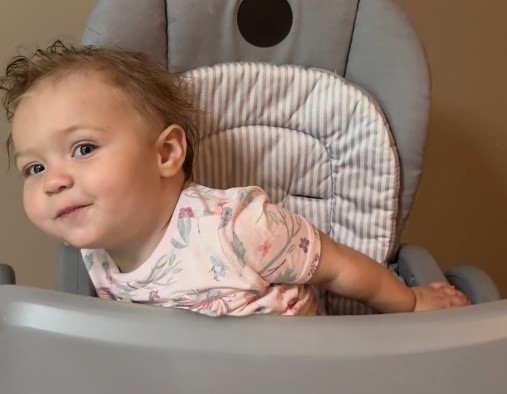
Every child deserves to feel confident sharing their thoughts. Our pediatric fluency therapy supports children who stutter by building comfortable, confident communication skills while creating a safe space to express themselves without fear or pressure. We focus on reducing communication stress and helping children embrace their unique voices
Every child deserves a way to communicate, connect, and be heard. Our pediatric AAC therapy supports children who communicate using devices, picture systems, signs, gestures, or other alternative methods. We help children develop functional communication skills, express their wants and needs, share ideas, and build greater independence and confidence


Meet Olive the Owl
Our cheerful communication companion! Olive is here to encourage, celebrate, and cheer on every child as they discover new ways to communicate. From first words to confident conversations, Olive reminds kids that every little step is worth celebrating and that finding your voice can be fun!
Speech & Language Therapy for Children
Every child deserves the opportunity to communicate with confidence. Our pediatric speech and language services support children with articulation, speech sound development, receptive and expressive language, fluency, social communication, and other communication needs. Through individualized, engaging therapy, we create a supportive environment where children can build skills, celebrate progress, and find their voice
Feeding & Swallowing Therapy for Children
Mealtimes should be an opportunity for nourishment, connection, and growth. Pediatric feeding therapy supports children who experience challenges with eating, drinking, chewing, swallowing, food textures, sensory responses, or limited food variety. Therapy is individualized to each child and focuses on building safe, comfortable, and positive experiences with food while supporting the development of functional feeding and swallowing skills
Oral Myofunctional Therapy for Children
Oral myofunctional therapy focuses on improving the strength, coordination, and function of the muscles of the lips, tongue, jaw and face. For children, therapy may support concerns such as tongue thrust, open – Mouth posture, improper tongue resting position, chewing patterns, or oral motor coordination. Through individualized exercises and functional activities, children develop more efficient oral muscle patterns that can support speech, breathing, feeding, and swallowing
Voice Therapy for Children
A healthy, comfortable voice plays an important role in communication, confidence, and participation in everyday activities. Pediatric voice therapy supports children experiencing concerns such as vocal strain, hoarseness, vocal fatigue, unusual voice quality, or voice changes. Therapy is individualized and may focus on healthy voice habits, breath support, vocal coordination, and strategies for using the voice efficiently and comfortably
Fluency Therapy for Children
Every child deserves to feel confident sharing their thoughts and ideas. Fluency therapy supports children who experience stuttering or other disruptions in the flow of speech. Therapy is individualized to each child’s communication style and may focus on building communication confidence, developing strategies for managing moments of stuttering, and reducing the fear or frustration that can sometimes accompany speaking
